
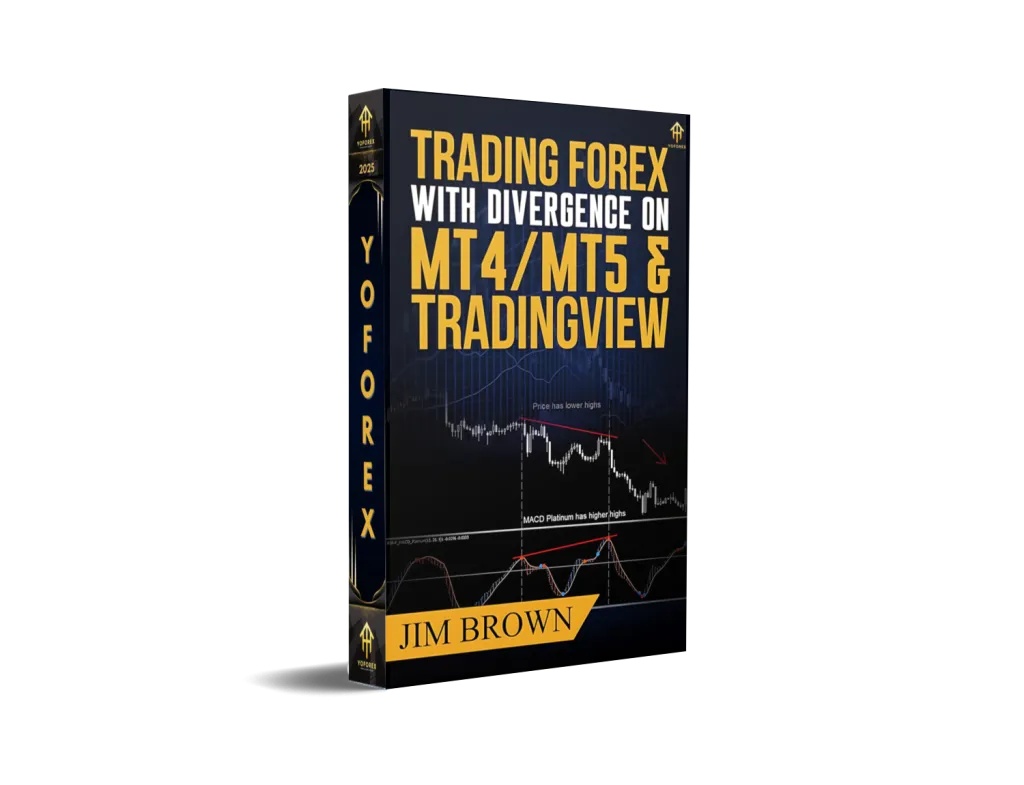
Trading Forex with Divergence: A Comprehensive Guide for MT4/MT5 & TradingView
Introduction to Divergence Trading in Forex
In the fast-paced world of forex trading, identifying potential trend reversals or continuations before they fully materialize can give traders a significant edge. One powerful technical analysis tool that helps achieve this is divergence trading. Divergence occurs when the price action of a currency pair moves in the opposite direction of a technical indicator, signaling potential shifts in market momentum. This comprehensive guide will walk you through how to effectively spot and trade divergence using popular platforms like MetaTrader 4 (MT4), MetaTrader 5 (MT5), and TradingView.
Understanding Divergence: The Core Concept
Divergence is a discrepancy between price action and the movement of an oscillator indicator. When price makes new highs or lows but the indicator fails to confirm these movements, it suggests weakening momentum and potential trend changes. This phenomenon occurs because indicators measure momentum, while price reflects the actual market value. When they disagree, it often precedes significant price reversals or continuations.
Why Divergence Matters in Forex Trading
Forex markets are driven by momentum, and divergence acts as an early warning system for momentum shifts. By learning to identify divergence patterns, traders can:
- Anticipate trend reversals before they occur
- Spot trend continuation opportunities during pullbacks
- Improve entry and exit timing
- Filter out false signals from other trading strategies
- Gain confidence in high-probability trade setups
Types of Divergence Every Forex Trader Should Know
There are two primary types of divergence: regular divergence and hidden divergence. Each serves a different purpose in market analysis.
Regular Divergence: Spotting Trend Reversals
Regular divergence signals potential trend reversals and is classified into bullish and bearish patterns.
Bullish Regular Divergence
- Formation: Price makes lower lows while the indicator makes higher lows
- Interpretation: Suggests downward momentum is fading, signaling a potential upward reversal
- Best Used: In downtrends to identify potential bottoming patterns
Bearish Regular Divergence
- Formation: Price makes higher highs while the indicator makes lower highs
- Interpretation: Indicates weakening upward momentum, signaling a potential downward reversal
- Best Used: In uptrends to identify potential topping patterns
Hidden Divergence: Identifying Trend Continuations
Hidden divergence signals that the current trend is likely to continue after a temporary pullback.
Bullish Hidden Divergence
- Formation: Price makes higher lows while the indicator makes lower lows
- Interpretation: Confirms underlying strength during a pullback in an uptrend
- Best Used: To enter long positions during uptrend retracements
Bearish Hidden Divergence
- Formation: Price makes lower highs while the indicator makes higher highs
- Interpretation: Confirms underlying weakness during a pullback in a downtrend
- Best Used: To enter short positions during downtrend retracements
How to Spot Divergence on MT4/MT5
MetaTrader platforms offer robust tools for identifying divergence through their built-in indicators and drawing tools.
Step-by-Step Guide for MT4/MT5
-
Select Your Indicator: Popular choices include:
- RSI (Relative Strength Index): Excellent for spotting overbought/oversold divergence
- MACD (Moving Average Convergence Divergence): Ideal for trend momentum divergence
- Stochastic Oscillator: Useful for identifying reversal points
- CCI (Commodity Channel Index): Effective for spotting cyclical turns
-
Apply the Indicator:
- Right-click on the chart > Indicators > Oscillators > Select your preferred indicator
- Adjust default settings if needed (e.g., RSI period 14, MACD 12,26,9)
-
Identify Divergence Patterns:
- For Regular Divergence:
- Bullish: Connect lower lows in price with higher lows in the indicator
- Bearish: Connect higher highs in price with lower highs in the indicator
- For Hidden Divergence:
- Bullish: Connect higher lows in price with lower lows in the indicator
- Bearish: Connect lower highs in price with higher highs in the indicator
- For Regular Divergence:
-
Use Drawing Tools:
- Select the “Trendline” tool from the toolbar
- Draw lines connecting significant price highs/lows
- Draw corresponding lines on the indicator window
- Look for clear divergence between the two
Pro Tips for MT4/MT5 Divergence Trading
- Custom Indicators: Install specialized divergence indicators like “Divergence Indicator” or “RSI Divergence” from the MetaTrader Market
- Multiple Timeframe Analysis: Confirm divergence signals on higher timeframes (H4, Daily) before taking trades on lower timeframes
- Alerts: Set price and indicator alerts to notify you when potential divergence forms
- Template Creation: Save your divergence setup as a template for quick application to other charts
How to Spot Divergence on TradingView
TradingView offers a user-friendly interface with advanced charting tools perfect for divergence analysis.
Step-by-Step Guide for TradingView
-
Select Your Indicator:
- Click “Indicators” at the top > Search for RSI, MACD, Stochastic, or CCI
- Popular choices include “RSI Divergence Indicator” or “MACD with Divergence Detection”
-
Customize Indicator Settings:
- Click the gear icon next to the indicator name
- Adjust parameters (e.g., RSI length, MACD settings)
- Enable “Divergence” detection if available in the indicator
-
Identify Divergence Patterns:
- Manual Detection:
- Use the “Trend Line” tool from the drawing panel
- Connect consecutive price highs/lows
- Connect corresponding indicator highs/lows
- Look for opposing slopes
- Automatic Detection:
- Many TradingView indicators have built-in divergence detection
- These will automatically plot divergence signals on your chart
- Manual Detection:
-
Use Multi-Chart Layout:
- Open the same currency pair in multiple timeframes
- Look for divergence alignment across timeframes
- Higher timeframe divergence carries more weight
Pro Tips for TradingView Divergence Trading
- Pine Script: Create custom divergence indicators using Pine Script
- Community Scripts: Access hundreds of free divergence indicators in the Public Library
- Alerts: Set up alerts for when divergence is detected automatically
- Bar Replay: Use the Bar Replay feature to practice identifying divergence in historical data
A Step-by-Step Guide to Trading Divergence
Step 1: Identify the Market Context
- Determine the overall trend using moving averages or trend lines
- Regular divergence works best at the end of trends
- Hidden divergence works best during strong trends
Step 2: Select Your Preferred Indicator
- RSI: Best for overbought/oversold conditions (use levels 70/30 or 80/20)
- MACD: Excellent for trend momentum analysis
- Stochastic: Ideal for identifying reversal points in ranging markets
- CCI: Effective for spotting cyclical turns
Step 3: Spot the Divergence Pattern
- Look for clear, well-defined peaks and troughs in both price and indicator
- Ensure at least two points are connected to form the divergence
- The more pronounced the divergence, the stronger the signal
Step 4: Confirm with Additional Tools
- Support/Resistance: Does divergence occur at key price levels?
- Candlestick Patterns: Look for reversal patterns (hammer, engulfing) or continuation patterns
- Volume: Increasing volume confirms the signal
- Multiple Indicators: Get confirmation from 2-3 different indicators
Step 5: Plan Your Entry
- For Regular Divergence:
- Enter after a confirmation candle (e.g., bullish engulfing for bullish divergence)
- Consider entering on a break of the trend line
- For Hidden Divergence:
- Enter during pullbacks in the direction of the trend
- Use Fibonacci retracement levels for precise entries
Step 6: Manage Your Risk
- Stop Loss Placement:
- For long positions: Below the recent swing low
- For short positions: Above the recent swing high
- Take Profit Targets:
- Use previous support/resistance levels
- Set a risk-reward ratio of at least 1:2
- Consider trailing stops to lock in profits
Best Practices and Risk Management for Divergence Trading
1. Always Confirm Divergence Signals
- Never trade divergence in isolation
- Use multiple indicators and timeframes for confirmation
- Wait for price action confirmation before entering
2. Implement Strict Risk Management
- Never risk more than 1-2% of your trading capital per trade
- Use stop losses religiously
- Calculate position size based on your stop loss distance
3. Be Aware of False Signals
- Divergence can occur in strong trends without leading to reversals
- Avoid trading divergence during news events
- Be cautious in choppy, range-bound markets
4. Combine with Other Strategies
- Use divergence to confirm support/resistance breaks
- Combine with Fibonacci retracements for confluence
- Use divergence to validate breakouts or breakdowns
5. Practice on Demo Accounts First
- Test your divergence strategy in a risk-free environment
- Keep a trading journal to track your performance
- Refine your approach based on results
Common Mistakes to Avoid in Divergence Trading
- Overtrading: Not every divergence pattern is worth trading. Be selective.
- Ignoring the Trend: Trading against the dominant trend using regular divergence can be risky.
- Poor Risk Management: Not using stop losses or risking too much per trade.
- Late Entries: Jumping in after the move has already started.
- Confirmation Bias: Only seeing divergence that confirms your existing bias.
Conclusion: Mastering Divergence Trading in Forex
Trading forex with divergence is a powerful strategy that can significantly enhance your technical analysis toolkit. By learning to identify regular and hidden divergence patterns on MT4, MT5, or TradingView, you gain the ability to spot potential trend reversals and continuations with greater accuracy.
Remember that divergence is not a standalone trading system but rather a confirmation tool that works best when combined with other technical analysis methods. Always practice proper risk management and confirm your signals with multiple indicators before entering trades.
Start by mastering one indicator (like RSI) on one platform before expanding your toolkit. Use demo accounts to practice identifying and trading divergence patterns until you can spot them intuitively. With patience and practice, divergence trading can become a valuable component of your forex trading strategy, helping you navigate the currency markets with increased confidence and precision.
Support & Disclaimer
Got questions or need help? Reach out anytime:
- WhatsApp: https://wa.me/+443300272265
- Telegram: https://t.me/yoforexrobot
Disclaimer: Past performance is no guarantee of future results. All trading carries risk. Always demo-test in a risk-free environment before deploying on a live account.